
Most of us reach adulthood without ever being taught how to respond to loss, or to grieve. Nobody sits us down and shows us what to do with the strange, heavy, contradictory feelings that come with loss. We are simply expected to know, and when we don’t, we quietly assume the gap is ours alone.
It isn’t. A 2022 Australian survey by The Groundswell Project found that one in three Australians—about 4.5 million people—say they’re uncomfortable having conversations about end‑of‑life planning. This isn’t a personal failing; it’s a skill most of us were never taught.
Soo’s experience
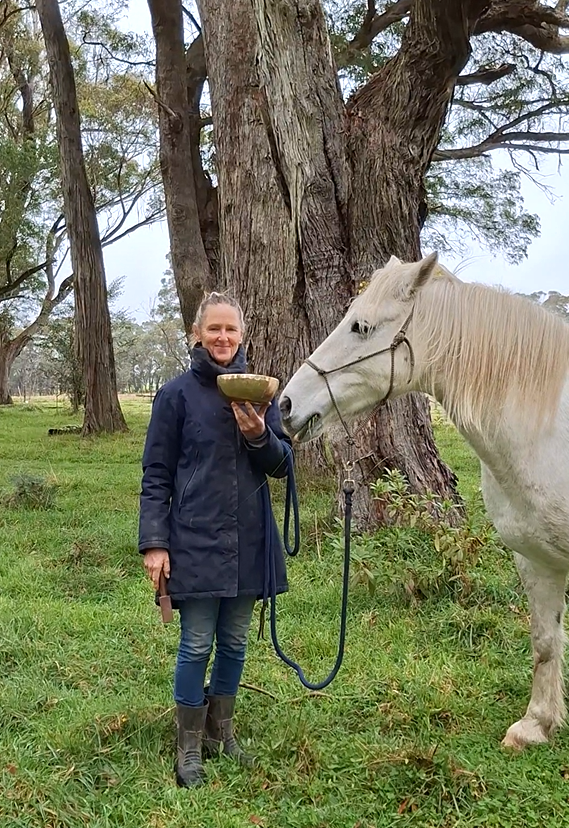
Soo Woods has sat with many grieving people at Highlands Centre for Healing, and what she notices most is not the grief itself. It’s the confusion underneath it.
“The average person doesn’t understand much, if anything, about loss and grief,” Soo says. “They arrive carrying a whirlwind of emotions and pain, and virtually everyone looks at me with utter relief when I share that everything they’re experiencing is completely normal. People are fearful of feeling uncomfortable stuff. They believe that if they start to feel it, maybe it won’t ever stop. And because they don’t feel, they don’t understand their own needs, and can therefore not express these to their family, loved ones and friends.”
Read that last part again. Not being able to feel what is happening inside you can make it incredibly difficult to name what you need. And if you can’t name what you need, the people who love you are left guessing, or left out entirely.
This can be particularly problematic for those who desperately want to support you. Everyone experiences grief in their own unique way, and there is no single way to grieve or one kind of support that works for everyone. If the person grieving cannot voice their needs, how can the people around them possibly know?
Sometimes, the most important part of learning to grieve is learning to listen to what your own emotions are trying to tell you.

The fear underneath the fear
The belief Soo hears most often is a quiet, private one:
“ If I let myself feel this properly, it won’t stop.”
It makes sense as a fear. Grief can feel enormous. It often starts as a tsunami of overwhelm. And when you’ve never been shown what it actually does inside a body, of course it feels dangerous.
But grief doesn’t work like a tap you can’t turn off. It moves in waves. It arrives, it peaks, it eases, and then it comes back again, often when you least expect it.
That rhythm is normal. What isn’t sustainable is holding the whole weight of it alone, all the time, because you’re afraid to let any of it move.
What happens when nobody teaches us
This is where the quiet cost shows up. Not in dramatic breakdowns, but in silence. Between partners who don’t know what to say to each other. Between adult children and ageing parents who both want to talk about what’s coming and neither will raise it first. Between friends who love each other and still don’t know how to sit with someone else’s pain without trying to fix it.
Death literacy is a real, researched concept in Australia, developed through work led by La Trobe University’s Public Health Palliative Care Unit, and it exists precisely because this gap is measurable, not imagined. Sociologists have been naming versions of this pattern since the 1950s, when the idea of a modern, death-avoidant culture first entered the conversation. It isn’t new, and it isn’t a flaw in you.
What actually helps
Not more advice. Not being told to “just talk to someone,”.
What helps is being witnessed. Having somewhere to simply be with what you’re carrying, without needing to explain it, justify it, or have it resolved by the end of the hour. Presence does something that problem-solving can’t. It tells your nervous system there is no need to hold this feeling alone.
That’s the whole premise behind being with someone, or gathering in circle, with others who understand, in a place that isn’t rushing you anywhere.
Somewhere to actually do this
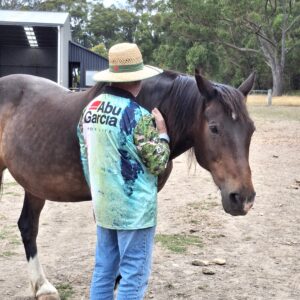
If you’re grieving right now and looking for a place to be with it, Soo runs Circle of Comfort, a small grief counselling support group fortnightly on Wednesdays, 10:30am to midday, at The Stables here at Highlands Centre for Healing in Moss Vale. It’s $33 a person, or $56 for two. There’s a cuppa, gentle ground-based time with the horses if that feels right, and no pressure to explain your loss to anyone. Find the next Circle of Comfort session.
Separately, if what you’re curious about is death itself, not grief support but the practical, human questions around dying and end-of-life that most of us were never given a language for, we’re hosting two one-off sessions with Angela Mizinska, a Death Doula and Death Literacy Educator. These aren’t grief counselling, and they aren’t a support group. They’re a chance to ask the questions you’ve never had anywhere to ask.
You Don’t Know What You Don’t Know, an interactive session on death, dying and after-death care, runs Saturday 31 October, 10am to 12:30pm, $115 per person.
Dying to Talk, a relaxed, Death Cafe-style conversation, runs Saturday 5 December, 10am to 12:30pm, $115 per person.
Both will include time with the centre’s herd of horses.
Two different needs, two different experiences.
Come to Circle of Comfort if you’re grieving and want company in it.
Come to one of Angela’s sessions if you want to understand death itself a little better.
Either way, you don’t have to already know how to do this. Almost none of us do.